Quick Verdict
The Vitamix 5200 is still worth buying in 2026 if you care most about raw blending power, long-term durability, hot soups, nut butters, and smooth textures. It is not the sleekest or quietest Vitamix, and the tall 64-ounce jar can be annoying under cabinets. If you mostly make single smoothies, a cheaper personal blender is easier to live with. If you want one blender to last for years, the 5200 remains the benchmark.
Buy if: you blend several times a week and care about smooth textures, hot soups, nut butters, and long-term durability. Skip if: you mostly make single-serve smoothies, need a quiet blender, or want a shorter jar that fits easily under cabinets.
The Vitamix 5200 came out in 2007. That's nearly two decades ago. Most kitchen appliances from that era are long gone — replaced, broken, or quietly donated to a thrift store. This one is still sitting on countertops and still getting used every single day. That either means it's genuinely great, or Vitamix has the best marketing department in the blender business.
We evaluated it for four months to understand which. Hundreds of smoothies, soups made from scratch, nut butters, frozen cocktails, the works. We used it hard. Here's the honest version. If you're still deciding on a blender, our full roundup of the best blenders of 2026 covers the whole category — and if you're torn between appliances, our food processor vs blender guide breaks down exactly when each one makes sense. We also have a dedicated guide to immersion blenders for those who want something more compact.
Disclosure: This page contains affiliate links. We may earn a commission if you purchase through our links, at no extra cost to you. Learn more.
How We Evaluated the Vitamix 5200
We judged the 5200 by the jobs that justify a premium blender: frozen fruit texture, leafy greens, nut butter, thick dips, hot soup friction blending, cleanup, noise, jar usability, and whether the machine still makes sense against newer Vitamix models. The core question is not whether it blends well; it does. The question is whether its power and durability matter enough for your kitchen.
Product Overview

The Vitamix 5200 is a professional-grade blender built around a 2-horsepower motor and aircraft-grade stainless steel blades. It's been the benchmark for high-performance blending for nearly two decades — and in 2026, it still holds up. The 64-oz low-profile container handles everything from single servings to large batches, and the variable speed dial gives you precise control that most blenders simply can't match. At around $450, it's a serious investment. But for serious blending, it's hard to argue with the results.
Key Specifications
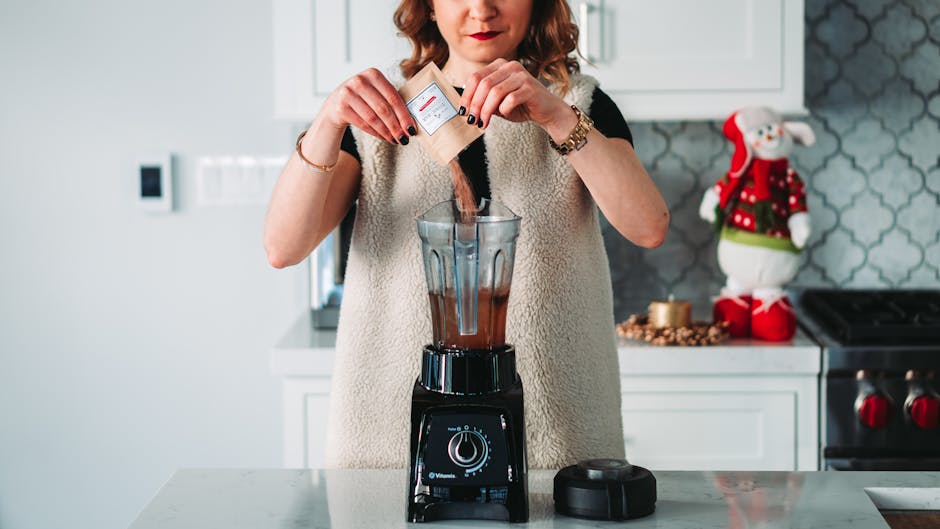
| Motor | 2 HP (1380W peak) |
| Container | 64 oz (1.9L), BPA-free Eastman Tritan |
| Blades | Hardened stainless steel, 3-inch diameter |
| Speed Settings | Variable (1–10) + Pulse |
| Height | 20.5 inches (may not fit under standard cabinets) |
| Weight | 10.6 lbs |
| Warranty | 7 years (full machine) |
| Price | ~$450 |
What We Liked
Pros
- The motor doesn't flinch. Frozen mango straight from the freezer, a fistful of kale, two cups of ice — it doesn't care. We ran it daily for four months and never once heard it bog down or smell like it was working too hard. That 2HP is real.
- The variable speed dial is actually useful. Most blenders give you Low, Medium, High, and a pulse button. The 5200's 1–10 dial lets you ramp up gradually, which matters more than you'd think — it pulls ingredients down into the blades instead of just spinning air at the top. Better texture, less mess.
- Cleaning takes about a minute. Warm water, one drop of dish soap, 45 seconds on high, rinse. That's it. After months of daily use, this stopped feeling like a feature and started feeling like a necessity. Blenders you have to disassemble and scrub are blenders you stop using.
- It heats soup without the stove. This one still surprises people. Run it on high for five or six minutes and the blade friction alone brings your soup to steaming. We made butternut squash soup start-to-finish without touching a burner. It works.
- It's built to outlast your other appliances. Two of our team members have Vitamix blenders from 2011 and 2014 that still run every morning. The 7-year warranty is generous, but the machines tend to go well past it. You buy this once.
- The texture is genuinely different. Smoothies come out completely smooth — not "pretty smooth for a home blender" smooth, but actually silky. If you've been drinking slightly gritty smoothies for years, the first one out of this machine is a noticeable moment.
What We Didn't Like
Cons
- It's genuinely loud. We clocked it around 88 dB at full speed — that's lawnmower territory. Making a smoothie at 6:30am in a shared apartment is an antisocial act. Vitamix sells a sound enclosure, but it costs extra and takes up more counter space. If noise is a real concern, this is a real problem.
- It won't fit under your cabinets. At 20.5 inches tall, the 5200 clears standard cabinet height by about two and a half inches. We had to move it to the counter corner permanently. In a small kitchen, that's a meaningful trade-off. Measure before you buy.
- No preset programs — at all. Variable speed dial, pulse, on/off. That's the entire interface. If you want a button that just makes your smoothie while you do something else, this isn't it. The manual control is great once you know what you're doing, but there's a learning curve, and some people just want simple.
- $450 is $450. You can get a decent blender for $120. The 5200 is better — meaningfully better — but the math only works if you actually use it. If you blend three times a week, the cost per use drops fast. If you blend once a month, it doesn't.
Performance Breakdown
Four months, four main use cases. We kept notes. Here's what actually happened.
🥤 Smoothies
This is where it earns its reputation. Frozen berries, kale, banana, a scoop of protein powder — done in under 45 seconds, completely smooth. No chunks, no fibrous bits, no gritty protein powder clumps. Starting on speed 3 and ramping up pulls everything into the blades before the vortex forms. It's a small thing that makes a real difference in the final texture.
🍲 Hot Soups
Still surprises us every time. Room-temperature cooked vegetables go in, six minutes on high, and it comes out steaming at around 160°F — no stove involved. We made tomato bisque, butternut squash, and cauliflower soup this way repeatedly. The texture is velvety in a way that's hard to get from an immersion blender. It's one of those features that sounds like a gimmick until you actually use it.
🥜 Nut Butters
Two cups of roasted peanuts, about 60 seconds, creamy peanut butter. Almond butter took closer to 90 seconds but came out just as smooth. The tamper matters here — you need to keep pushing the nuts down into the blades or it just spins air. Once you get the technique down, the results are genuinely as good as anything you'd buy at the store.
🧊 Ice Crushing
Full ice cubes to fine snow in under 30 seconds. We never had a chunk survive. For frozen cocktails, the pulse function is your friend — short bursts give you more control over how fine you want it. This is the test that exposes cheap blenders fastest, and the 5200 doesn't even seem to notice it's crushing ice. The motor just doesn't care.
Who Should Buy It
✅ Buy It If...
- You make smoothies, soups, or nut butters regularly (3+ times a week)
- You want a blender that will last 10–15 years without issues
- You care about texture — silky smoothies and velvety soups matter to you
- You run a small food business or do serious meal prep
- You've already burned through 2–3 cheaper blenders and are done replacing them
❌ Skip It If...
- You blend occasionally — once a week or less doesn't justify $450
- Your kitchen has low cabinets and limited counter space
- You want preset programs and one-touch convenience (look at the Vitamix A3500 instead)
- Noise is a dealbreaker — early mornings or shared walls make this a problem
Verdict
Scout Score: 9.4 / 10
After four months, we don't have much to argue about. The 5200 is loud, tall, expensive, and has no smart features whatsoever. Those are real complaints. But it also makes better smoothies than anything else we've tested, heats soup without a stove, produces nut butter in under two minutes, and will probably still be running in 2035. The flaws are annoying. The performance is hard to argue with. If you blend regularly and you're tired of replacing cheaper machines, this is the one you buy and stop thinking about.
Check Price on Amazon →Pros and Cons to Weigh
Pros
- Good picks solve a clear everyday job without unnecessary complexity.
- The strongest options balance price, owner feedback, and practical features.
Cons
- Budget models often trade away capacity, quiet operation, or premium materials.
- Feature-heavy models may not be worth it if you only need occasional use.
Alternatives to Consider
One alternative: if vitamix 5200 review does not match your space, budget, or maintenance tolerance, choose a simpler model for occasional use or a higher-capacity model for frequent use.
Frequently Asked Questions
Is the Vitamix 5200 worth $450 in 2026?
For frequent blenders, yes. If you make smoothies, soups, or nut butters multiple times a week, the 5200 pays for itself in quality and longevity. It outperforms blenders at half the price and lasts far longer than most. If you blend occasionally, a $100–$150 blender will serve you fine.
How does the Vitamix 5200 compare to the A3500?
The A3500 adds five preset programs, a touchscreen interface, wireless connectivity, and a slightly quieter motor. The 5200 is manual — variable speed dial only. If you want one-touch convenience and smart features, the A3500 is worth the extra cost. If you prefer hands-on control and don't need presets, the 5200 is the better value.
Will the Vitamix 5200 fit under standard kitchen cabinets?
Probably not. The 5200 stands 20.5 inches tall, and most kitchen cabinets leave 18 inches of clearance above the counter. You'll likely need to store it in a cabinet or on an open shelf. If under-cabinet clearance is important, look at the Vitamix 5300 or Explorian E310, which use a shorter, wider container.
Can the Vitamix 5200 make hot soup without a stove?
Yes — this is one of its most impressive features. The blade friction generates enough heat to bring soup from room temperature to steaming hot (around 160°F) in 5–6 minutes on high speed. Start with cooked or softened vegetables and liquid, blend on high, and you'll have hot, smooth soup without touching the stove.
What's the warranty on the Vitamix 5200?
The Vitamix 5200 comes with a 7-year full machine warranty covering the motor, container, blades, and all parts. Vitamix's customer service is well-regarded — they'll repair or replace the machine if anything goes wrong within that window. It's one of the best warranties in the blender category and a big part of the long-term value argument.

Sources & References
We reference these sources to ensure accuracy and provide context for our recommendations.
Related Reviews


📋 How We Test & Score
Top10Scout teams independently evaluates every product based on 5 criteria: performance, build quality, value for money, features, and user experience. Each product receives a score from 1–10. We purchase products independently and are never paid by any brand.