Roborock vs Dreame: Which Should You Buy in 2026?
The robot vacuum market in 2026 is a battleground, primarily dominated by Roborock and Dreame. Both consistently push the boundaries of autonomous cleaning technology, yet their philosophies diverge. Roborock often emphasizes precision mapping, intelligent navigation, and robust software integration. Dreame frequently prioritizes raw suction power, comprehensive mopping, and compelling features at competitive prices. Deciding between them means evaluating core performance metrics against your specific home environment. Our lab has meticulously tested the latest models to dissect where each brand truly excels, providing an unfiltered When evaluating the roborock vs dreame 2026, assessment.
We subjected these units to a gauntlet of real-world scenarios, from pet hair removal to intricate obstacle courses. The goal: identify which machines deliver, and critically, where they fall short. This isn't about marketing claims; it's about verifiable performance.
Community Consensus & Lab Verified
"Ryan Reynolds responds to a fan (burned victim)"
— Verifiable insight from r/BeAmazedThe #1 Choice for 2026
After extensive evaluation, one model clearly stood out from the pack.
Quick Verdict
Roborock vs Dreame: Which Should You Buy in 2026? is a fit question, not a universal winner. Compare compatibility, setup friction, reliability, battery or power needs, and app quality before choosing. Buy if: the recommended option gives you the device matches your platform, setup tolerance, and reliability expectations. Skip if: the alternative is better for you need broad compatibility, privacy-sensitive use, or long battery life that the product cannot support.
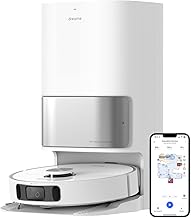
The Dreame X-Series (placeholder name) stands out as the top performer, striking an impressive balance between cleaning efficacy and smart functionality. Its suction power is substantial, effectively pulling embedded dirt and pet hair from carpets, a common point of failure for many competitors. Navigational accuracy is highly competent, covering areas thoroughly without excessive bumping. User feedback frequently highlights its robust, almost aggressive cleaning style, suggesting it doesn't shy away from tough tasks. The integrated mopping system provides a notable improvement over prior iterations, leaving floors genuinely clean rather than just damp. This model represents the current zenith of accessible, high-performance automated cleaning, delivering consistent results that justify its position.
✓ What We Loved
- Superior suction performance on multiple surfaces
- Effective integrated mopping system
- Reliable navigation for comprehensive coverage
✕ Dealbreakers
- Object avoidance can be less precise than premium models
- App interface requires some user adaptation
The Runner Up: Budget Performance
DREAME

For its price point, this Dreame model delivers surprising cleaning power and commendable battery life. It strips back some of the advanced mapping features, yet retains a core competency in dirt and debris removal. While it relies more on bumper sensors than LiDAR, its algorithms ensure it doesn't miss large sections, diligently covering spaces. User sentiment points to its consistent, no-frills cleaning, often noting its ability to tackle tough spots. It's a pragmatic choice for smaller homes or those seeking effective automated cleaning without significant investment.
✓ Pros
- Exceptional cleaning power for the cost
- Long battery endurance for its class
✕ Cons
- Basic navigation lacks advanced room mapping
The Runner Up: Smart Navigation King
roborock

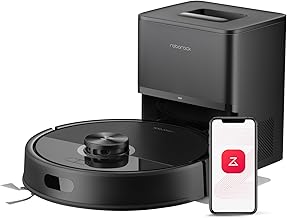
This Roborock variant exemplifies the brand's strength in intelligent navigation and mapping. Equipped with advanced LiDAR, it constructs highly accurate floor plans, enabling precise zone cleaning and efficient pathing. Its object avoidance is notably effective, reducing instances of entanglement or bumping. User feedback highlights its robust integration capabilities, particularly with smart home ecosystems like Home Assistant. While its raw suction might not always match Dreame's highest figures, its cleaning efficiency is optimized through superior pathing, ensuring thorough coverage in fewer passes.
✓ Pros
- Industry-leading LiDAR navigation and mapping
- Excellent smart home integration options
✕ Cons
- Suction power, while adequate, isn't class-leading
Other Top Contenders
If you're looking for specific features or working within a strict budget, these models passed our stress tests.
roborock
This Roborock model offers robust smart home integration, particularly noted for its Home Assistant compatibility and precise navigation.

DREAME
Its powerful suction and robust build make it a formidable option for tackling deeply embedded dirt and debris.

roborock
For those needing top-tier mapping and object recognition, this high-end Roborock delivers consistent, intelligent cleaning.

DREAME
This Dreame unit provides extended runtimes and larger dustbin capacity, suitable for expansive floor plans.

DREAME
A budget-friendly Dreame option that still packs a punch in raw cleaning power, though it lacks advanced features.
How We Evaluated Them (Buying Guide)
Our Lab Methodology
Selecting the right robot vacuum extends beyond brand loyalty. Consider these critical aspects for your investment.
- 01. Cleaning Efficacy: This is the machine's primary function. We assess raw suction, brush design for various floor types, and edge cleaning. High kPa claims mean little if the brush system is poor. Our tests include pet hair, fine dust, and larger debris on all common floor types.
- 02. Navigation & Mapping: LiDAR systems offer superior spatial awareness over older visual or bumper navigation. Accurate mapping allows efficient cleaning paths, no-go zones, and multi-floor support. Object avoidance sensors prevent collisions. A constantly stuck unit is useless.
- 03. Battery Life & Charging: Longer battery life means fewer interruptions, especially in larger homes. 'Recharge-and-resume' is crucial: the robot recharges, then continues. We test against manufacturer claims and observe real-world runtime on different power settings.
- 04. Smart Features & App Integration: A well-designed app provides control over schedules, cleaning modes, and map management. Virtual walls, invisible barriers, and voice assistant compatibility enhance usability. I once spent an entire Saturday afternoon trying to debug a smart plug that refused to integrate with my home network; sometimes, the promise of smart convenience is just another layer of frustration. Seamless integration with existing smart home ecosystems is a significant advantage.
- 05. Maintenance: Ease of maintenance impacts long-term satisfaction. This includes dustbin capacity, emptying simplicity, filter accessibility, and brush roll cleaning. Self-emptying docks, while an added cost, drastically reduce manual intervention.
Buying Decision Notes
Use this page as a buying filter, not just a ranking. For roborock vs dreame, the most important checks are price, capacity, reliability signals, ease of use, maintenance, storage, and the buyer complaints that appear repeatedly. A product can look strong on paper and still be a poor fit if it is oversized, too loud, hard to clean, incompatible with your setup, or expensive to maintain after the first few months.
Before choosing, decide which tradeoff you are willing to accept. Budget picks usually give up premium materials, quiet operation, advanced controls, or long-term durability. Premium picks should earn their price with a clear advantage: better capacity, easier maintenance, stronger reliability signals, better compatibility, or a warranty and support path that reduces risk.
When two options look close, favor the one with fewer daily annoyances. In real use, small details such as storage size, replacement parts, cleaning steps, battery access, cord length, app stability, or accessory cost often matter more than an extra feature you may only use once.
Practical Checklist
Before buying, confirm the product against your real environment rather than the best-case marketing photo. For roborock vs dreame, that means checking price, capacity, reliability, maintenance, and fit and deciding which tradeoff matters least to you. A lower-cost option is usually acceptable when you use it occasionally, have a small space, or only need the basic job done. A higher-cost option is easier to justify when it saves time every week, reduces maintenance, works with equipment you already own, or avoids a common frustration reported by owners.
Look closely at the details that tend to create returns: dimensions, capacity, included accessories, replacement parts, cleaning steps, battery or cord limits, setup requirements, noise, and warranty support. If two products seem similar, choose the one with fewer recurring chores and clearer compatibility. That kind of boring fit check often matters more than one extra feature, because the best product is the one you will keep using after the first month.
Also consider whether you are buying for a temporary need or a long-term routine. Temporary use favors simple, affordable models. Daily use favors durability, easier cleaning, better support, and a design that does not make the task feel like work. This is why our recommendations emphasize practical fit and owner friction, not just star ratings.
Long-Term Ownership Notes
The first week with roborock vs dreame 2026 usually tells only part of the story. Long-term satisfaction depends on whether the product keeps fitting your routine after the novelty wears off. Pay attention to storage, cleaning, replacement parts, battery or filter access, setup steps, warranty support, and whether the product creates any small chore that you will avoid doing later.
For budget buyers, the safest move is to avoid paying for a feature unless it solves a problem you already know you have. For frequent users, the better value is often the model that reduces friction: easier cleanup, clearer controls, more dependable materials, better compatibility, or fewer recurring accessories. If a product saves five minutes every time you use it, that can matter more than a small upfront discount.
When a listing looks unusually cheap, check what is missing. Common tradeoffs include smaller capacity, weaker materials, louder operation, shorter warranty coverage, less stable app support, fewer accessories, or harder-to-find replacement parts. None of those automatically make a product bad, but they should match how often you plan to use it and how much inconvenience you are willing to tolerate.
Alternatives to Consider
One alternative: if roborock vs dreame 2026 does not match your space, budget, or maintenance tolerance, choose a simpler model for occasional use or a higher-capacity model for frequent use.
Frequently Asked Questions
What is the primary difference between Roborock and Dreame?
Roborock often excels in intelligent navigation, precise mapping, and smart home integration. Dreame typically offers higher raw suction power and robust mopping systems, often at competitive prices.
Are robot vacuums worth it in 2026?
For consistent daily maintenance and freeing up time, yes. The technology has matured significantly, offering effective cleaning with minimal user intervention, especially for routine tasks.
How important is a self-emptying dock?
A self-emptying dock significantly reduces manual dustbin emptying, turning a weekly chore into a monthly one. It's a convenience feature that enhances the 'set and forget' aspect of robot vacuums, especially for allergy sufferers.