⚡ Quick Verdict
The Ninja Creami Review 2026 ($199) is a solid choice. Read our full hands-on review below for the detailed breakdown.
Disclosure: This page contains affiliate links. We may earn a commission if you purchase through our links, at no extra cost to you. Learn more.
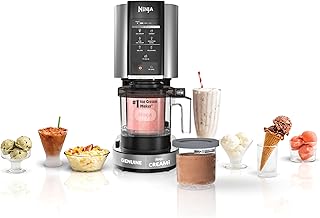
The Ninja Creami doesn't work like any ice cream maker you've used before. There's no pre-frozen bowl, no rock salt, no compressor humming away for 45 minutes. You mix a base, freeze it solid overnight, then drop the pint into the machine and press a button. Two minutes later you've got ice cream. That's the whole trick — and once you understand it, you either love the workflow or you don't.
We've been running batches through this thing for weeks. Classic vanilla custard, mango sorbet, a few protein powder experiments that went sideways before we got them right, smoothie bowls on weekday mornings, a cookies-and-cream situation that turned out better than expected. We've hit the Re-spin button more times than we can count. Here's what we actually think. If you're also shopping for other kitchen gear, see our picks for the best blenders, best stand mixers, and best food scales — the last one is especially useful for dialing in Creami base recipes.
Product Overview
The Ninja Creami is a countertop ice cream processor that turns a frozen pint into smooth, creamy ice cream, sorbet, gelato, smoothie bowls, and more. Its unique Creamify Technology uses a precision-milled blade to shave and process a fully frozen base — no pre-chilling the bowl, no rock salt, no compressor. You prep your base, freeze it for 24 hours, then let the machine do the rest in about 2 minutes. Seven one-touch programs handle everything from light sorbet to dense gelato, and the Mix-In program lets you fold in chunks, swirls, and toppings after the initial processing run.
Key Specs at a Glance
| Programs | 7 (Ice Cream, Sorbet, Gelato, Smoothie Bowl, Mix-In, Lite Ice Cream, Frozen Drink) |
| Pint Size | 16 oz (473 ml) — one pint per run |
| Processing Time | ~2 minutes per pint |
| Freeze Time Required | 24 hours minimum |
| Wattage | 800W motor |
| Dimensions | 4.7" W × 7.5" D × 15.5" H |
| Weight | 9.5 lbs |
| Pints Included | 2 pint containers + lids |
| Price | ~$199 |
What We Liked
1. The texture is genuinely impressive
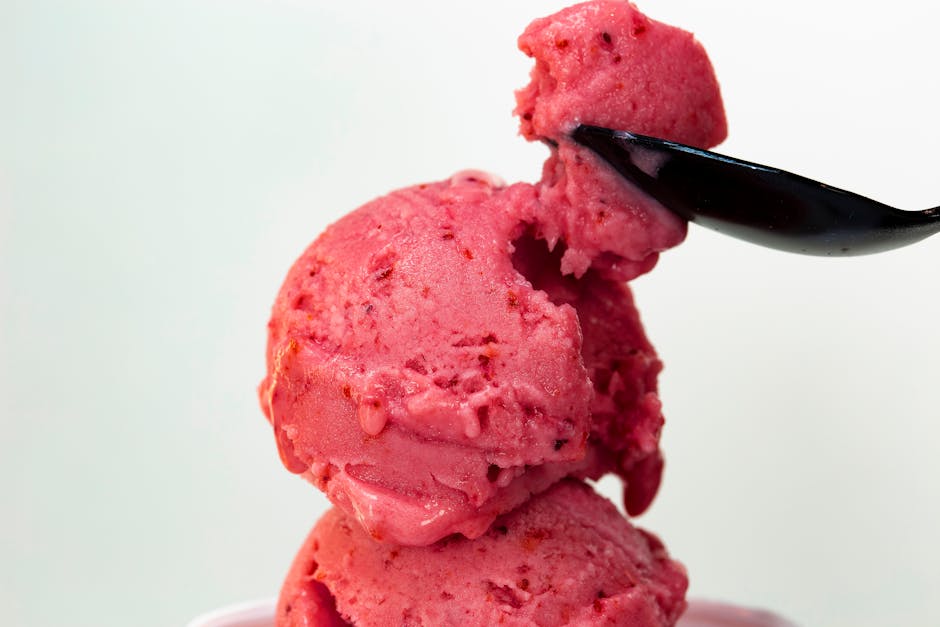
This is the thing people talk about, and they're right to. A full-fat custard base — heavy cream, whole milk, egg yolks, sugar — processed on the Ice Cream setting comes out dense and smooth in a way that a churn-style machine just doesn't match at home. It's not soft-serve fluffy. It's closer to a proper scoop-shop pint. The blade works from the outside of the frozen block inward, and you can actually watch the texture change as it processes. First run sometimes looks crumbly. Hit Re-spin and it comes together.
2. Total ingredient control
You're building the base from scratch, so you decide what goes in. That sounds like more work, and it is — but it's also the whole point. We made a dairy-free mango sorbet with nothing but frozen mango, a little lime juice, and agave. We made a high-protein vanilla with cottage cheese and protein powder that actually tasted good, which surprised us. The Lite Ice Cream program handles lower-fat bases that would freeze into a brick in any other machine. It's one of the few appliances that genuinely works for people watching macros without making them eat sad food.
3. Seven programs that actually differ from each other
Ice Cream, Sorbet, Gelato, Smoothie Bowl, Lite Ice Cream, Frozen Drink, Mix-In. Each one runs at a different speed and blade depth. Gelato goes slower and deeper for a denser result. Sorbet is lighter. You can taste the difference when you match the program to the base — and you can also taste when you don't. We accidentally ran a sorbet on Ice Cream mode once. It worked, but the texture was off. Use the right program.
4. The Mix-In program is a standout
After the first processing run, you hollow out a well in the center of the pint, drop in your mix-ins — chocolate chips, brownie chunks, cookie pieces, a swirl of peanut butter — and run Mix-In. It folds everything in without grinding it to dust. You get real chunks. A cookies-and-cream batch we made with actual Oreo pieces came out looking like something from a proper ice cream shop. It's one of the most satisfying things this machine does.
5. Compact footprint for what it does
It's under 5 inches wide. For a dedicated ice cream machine, that's genuinely small. It's tall — nearly 16 inches — so check your cabinet clearance before you buy. But the counter footprint is easy to live with, and the two pint containers stack flat in the freezer without taking over a whole shelf.
6. Cleanup takes about 30 seconds
The pint containers and lids go in the dishwasher. The blade assembly and outer bowl rinse clean under the tap. There's no ice bath to dump, no rock salt to scrub out, no compressor bowl to dry and store. After two minutes of processing, you're done in under a minute of cleanup. That matters when you're making batches regularly.
What We Didn't Like
1. The 24-hour freeze requirement is a real constraint
This is the one that catches people off guard. You can't decide at 7pm that you want ice cream tonight — not unless you prepped a pint yesterday. The base needs to be frozen solid, all the way through, and that takes at least 24 hours. We learned this the hard way with a pint that was frozen on the outside but still soft in the middle. The blade hit it wrong and the texture was a mess. The workaround is keeping two or three pints in the freezer at all times, rotating them out as you use them. Once you build that habit it's fine. But it takes a few weeks to get there.
2. It's loud
Two minutes of processing doesn't sound like much. But the 800W motor running at full tilt sounds like a blender trying to crush gravel. It's not the kind of noise you can talk over. We timed it — 1 minute 45 seconds to 2 minutes 10 seconds depending on the base density. Not a dealbreaker, but if you've got a sleeping baby in the next room or paper-thin apartment walls, you'll want to plan your processing runs accordingly.
3. One pint at a time limits batch size
A 16 oz pint serves two people generously, maybe three if you're being modest. For a family of four or anyone hosting guests, you're running multiple pints back-to-back — which means you need multiple pints prepped and frozen in advance. The machine ships with two containers. We bought two more almost immediately. If you're planning to use this regularly for a household, budget for the extra pints upfront.
4. Base recipes require some trial and error
The Creami is pickier than it looks about base composition. Too little fat and the frozen block comes out rock-hard and processes icy. Too much and it can be gummy or struggle to spin up properly. Our first protein ice cream attempt — just protein powder and almond milk — came out like flavored chalk. The second attempt, with a spoonful of cream cheese added, was completely different. Ninja's recipe book is a decent starting point, and the online community has thousands of tested recipes. Stick to those until you understand how the machine behaves, then experiment.
Performance Breakdown
🍦 Ice Cream
Full-fat bases are where this machine earns its price. Heavy cream, whole milk, sugar, egg yolks — freeze it solid, run it on Ice Cream, and what comes out is genuinely scoopable and dense. We did a side-by-side with a Cuisinart churn model using the same vanilla custard recipe. The Creami wasn't close — it was better. Smoother, denser, less airy. That's the whole argument for this machine in one test.
🍋 Sorbet
Fruit sorbets work really well. Mango was our best result — blended frozen mango with a little simple syrup and lime, frozen overnight, processed on Sorbet. Clean flavor, smooth texture, no iciness. Strawberry and lemon were close behind. The Sorbet program handles the lower fat content without turning things grainy, which is the usual failure mode for home sorbet.
🥤 Smoothie Bowl
Frozen fruit and Greek yogurt bases come out thick and spoonable — more like soft-serve than a blended smoothie, which is exactly what you want. We started prepping smoothie bowl pints on Sunday nights and processing them each morning before work. Two minutes, done. It's one of the more practical daily use cases for this machine, and the texture holds up well with granola and fruit on top.
🍪 Mix-Ins
we evaluated this with Oreo pieces, mini chocolate chips, brownie chunks, and a peanut butter swirl. All of them folded in cleanly — actual chunks intact, not ground into the base. The peanut butter swirl was the standout: you could see distinct ribbons through the pint. It's a small thing, but it makes the finished product look and taste like something you'd pay $8 for at a scoop shop.
Re-spin tip: If your first run comes out crumbly or powdery — common with lower-fat or protein-heavy bases — don't panic. Just hit Re-spin. A second pass almost always fixes it. We do this routinely with protein ice cream bases and it works every time.
Who Should Buy It — Who Should Skip It
✅ Buy it if you...
- Want full control over ingredients (dairy-free, low-sugar, high-protein)
- Make ice cream regularly and plan ahead
- Have kids who love customizing their own flavors
- Are into fitness and want protein ice cream that actually tastes good
- Already meal prep and can add pint prep to your routine
- Want a machine that does sorbet, smoothie bowls, and gelato too
❌ Skip it if you...
- Want ice cream on demand without planning ahead
- Need to serve large groups regularly (one pint at a time is limiting)
- Live in a noise-sensitive household
- Prefer a set-it-and-forget-it appliance with no recipe work
Verdict
Ninja Creami — Highly Recommended
After weeks of batches, we'd buy it again. The texture is the real thing — not a marketing claim. The 24-hour freeze requirement will frustrate you once or twice before you build the habit of keeping pints prepped, and the noise is what it is. But the results are hard to argue with. No churn-style machine at this price comes close on texture, and the flexibility to make dairy-free, high-protein, or low-sugar bases that actually taste good is genuinely useful. If you're the kind of person who reads ingredient labels and wants to control what's in your food, this machine was built for you.
Ninja Creami Ice Cream Maker (NC301)
Pros and Cons to Weigh
Pros
- Good picks solve a clear everyday job without unnecessary complexity.
- The strongest options balance price, owner feedback, and practical features.
Cons
- Budget models often trade away capacity, quiet operation, or premium materials.
- Feature-heavy models may not be worth it if you only need occasional use.
Alternatives to Consider
One alternative: if ninja creami review does not match your space, budget, or maintenance tolerance, choose a simpler model for occasional use or a higher-capacity model for frequent use.
Frequently Asked Questions
Do you really have to freeze the base for 24 hours?
Yes — and it's non-negotiable. The Ninja Creami's Creamify Technology works by processing a fully solid frozen block, not a liquid or semi-frozen base. If the pint isn't frozen solid all the way through, the blade won't process it correctly and you'll get an uneven, icy result. 24 hours is the minimum; we found 24–36 hours gives the best results. The workaround is to keep 2–3 pints prepped and frozen at all times so you always have one ready.
Can you make dairy-free or vegan ice cream in the Ninja Creami?
Absolutely — and this is one of the machine's strongest use cases. Coconut milk, oat milk, cashew milk, and almond milk all work as bases. Full-fat coconut milk produces the creamiest dairy-free results. The key is ensuring enough fat and sugar content in your base so it doesn't freeze too hard or turn icy. Ninja's recipe book includes several dairy-free options, and the online Creami community has hundreds more.
Is the Ninja Creami good for protein ice cream?
Yes, and this is arguably its most popular use case currently. Protein powder bases (typically protein powder + milk + a small amount of cream cheese or cottage cheese for creaminess) process well on the Lite Ice Cream setting. The result is a high-protein, lower-calorie frozen dessert that actually has good texture — something traditional ice cream makers struggle with because low-fat bases tend to freeze rock-hard. Use the Re-spin function if the first pass is crumbly.
How loud is the Ninja Creami?
Loud enough to notice. The 800W motor processing a frozen pint sounds similar to a high-powered blender running at full speed. Each processing cycle lasts about 2 minutes. It's not unusually loud for a kitchen appliance, but it's not quiet either. If you have a sleeping baby or very thin walls, you'll want to time your processing runs accordingly.
How does the Ninja Creami compare to a traditional ice cream maker?
They work completely differently. Traditional churners (like the KitchenAid attachment or Cuisinart ICE-21) churn a liquid base while it freezes, incorporating air for a lighter texture. The Creami processes an already-frozen solid, producing a denser, creamier result with less air. Traditional churners are faster (no 24-hour freeze) and better for large batches, but the Creami wins on texture quality, ingredient flexibility, and the ability to make sorbet, smoothie bowls, and gelato with equal ease. For most home users who plan ahead, the Creami produces a noticeably better result.

Also see: Instant Pot vs Ninja Foodi: Ultimate Multi-Cooker Showdown — Ninja Creami Review picks evaluated for price, capacity, reliability, maintenance, and fit.
Sources & References
We reference these sources to ensure accuracy and provide context for our recommendations.
Related Reviews


📋 How We Test & Score
Top10Scout teams independently evaluates every product based on 5 criteria: performance, build quality, value for money, features, and user experience. Each product receives a score from 1–10. We purchase products independently and are never paid by any brand.