Instant Pot Duo Plus 9-in-1 Electric Pressure Cooker: Your Ultimate Guide to All 9 Functions (Especially Slow Cooking!)

Last updated: March 2, 2026 | Reviewed by Emily Rhodes

Medical Disclaimer: This article contains affiliate links. We may earn a commission if you purchase through our links, at no extra cost to you.

Last updated: March 2, 2026 | Reviewed by Emily Rhodes

Alright, let's talk about the Instant Pot. Specifically, the Instant Pot Duo Plus 9-in-1 electric pressure cooker, slow cooker, and everything-in-between machine. If you've spent any time in kitchen gadget forums or even just scrolling through social media for meal ideas, you've probably heard the hype. It’s often touted as the ultimate kitchen workhorse, a one-pot wonder that promises to declutter your countertops and simplify your life. But here's the thing: for most people, the Instant Pot is primarily associated with lightning-fast pressure cooking. And while it absolutely excels at that, to think of it *just* as a pressure cooker is to miss out on so much of its potential. In my years of testing dozens of home appliances, I’ve seen countless gadgets come and go. The Instant Pot, particularly the Duo Plus, has stuck around for a reason. My goal with this review isn't just to rattle off a spec sheet; it's to cut through the noise and show you what this machine *really* brings to your kitchen, with a special emphasis on one of its most misunderstood, yet incredibly valuable, functions: slow cooking. We're going to demystify all nine functions, look at how to truly master the slow cooker setting, and answer those burning questions about whether it can truly replace your beloved Crock-Pot.
Unpacking the Instant Pot Duo Plus 9-in-1: A Versatile Kitchen Companion

instant pot duo plus 9-in-1 electric pressure cooker, slow c
The Instant Pot brand has become synonymous with multicookers, and for good reason. They essentially kicked off the electric pressure cooker craze, making what used to be a somewhat intimidating appliance accessible and safe for the average home cook. The Duo Plus sits comfortably in their lineup as a mid-range model that packs a serious punch in terms of features without getting overly complicated. In my experience, it's often recommended as a fantastic starting point for anyone new to Instant Pots, and I tend to agree. The "9-in-1" claim isn't just marketing fluff; it genuinely refers to the nine distinct cooking functions this machine can perform. For busy families, meal preppers, or even tech-savvy home cooks who appreciate efficiency, this means fewer single-purpose appliances cluttering valuable counter space. Think about it: one machine that can handle dinner tonight, yogurt for breakfast tomorrow, and even sterilize baby bottles. That's a pretty compelling proposition. The Instant Pot Duo Plus 9-in-1 electric pressure cooker is designed to be a central hub for your cooking, and it largely succeeds. The nine functions are: Pressure Cooker, Slow Cooker, Rice Cooker, Yogurt Maker, Steamer, Sauté, Sterilizer, Cake Maker, and Warmer. We’ll break down each one, but I want to set the stage for why this particular model is so popular: it hits that sweet spot of versatility and user-friendliness, making it a true workhorse in my own kitchen.

A Closer Look at the 9 Functions of the Instant Pot Duo Plus

When you look at the control panel of the Instant Pot Duo Plus, you'll see a bunch of smart program buttons. Each one simplifies a particular cooking task, taking some of the guesswork out of meal prep. Let's cover what each of the nine functions means for your cooking. Once you understand these Instant Pot Duo Plus features, you can really make the most of the appliance. * **Pressure Cooker:** This is the big one, the reason many people buy an Instant Pot. It cooks food under high pressure, drastically reducing cooking times for things like tough cuts of meat, dried beans, and even entire meals. Think fall-off-the-bone ribs in 30 minutes, or a rich beef stew in under an hour. This really changes how quickly you can get weeknight dinners on the table when you're short on time. * **Slow Cooker:** This is the function we'll look at most closely! This function mimics a traditional slow cooker, using lower heat over a longer period to tenderize meats and meld flavors. It's perfect for chili, pulled pork, pot roasts, and soups. The beauty here is the one-pot convenience – you can sauté your aromatics and then switch straight to slow cook. * **Rice Cooker:** No more burnt rice on the stovetop. The Duo Plus makes perfect fluffy rice consistently, whether it's white, brown, or even wild rice. It uses precise temperature and pressure to get it just right, every time. * **Yogurt Maker:** This might seem a bit niche, but making your own yogurt is surprisingly easy and cost-effective with the Instant Pot. You can control the thickness and tartness, and avoid all those added sugars in store-bought versions. I've made batches of Greek yogurt that rival anything from the store. * **Steamer:** The included trivet turns your Instant Pot into an efficient steamer. It’s great for vegetables, fish, and even dumplings, preserving nutrients and flavor. * **Sauté:** This is one of my favorite features, and it's key for building flavor. Before pressure cooking or slow cooking, you can brown meats and sauté vegetables right in the inner pot. This means less cleanup and better-tasting food. No more dirtying a separate pan! * **Sterilizer:** For parents, this is a lifesaver. It can sterilize baby bottles, jars, and other items using steam, providing peace of mind. * **Cake Maker:** While I haven't baked a ton of cakes in my Instant Pot, it's surprisingly effective for things like cheesecakes, corn bread, or even a dense chocolate cake, using a springform pan on the trivet. The moist, pressure-cooked environment can create incredibly tender results. * **Warmer:** After cooking, the Instant Pot automatically switches to a "Keep Warm" setting, holding your food at a safe temperature until you're ready to serve. This is incredibly handy for busy schedules or potlucks. The real magic here is how these functions work together, making your kitchen work smarter. You can sear a roast, pressure cook it, then switch to slow cook for a few hours to really tenderize it, all in the same pot. That’s why the Instant Pot Duo Plus 9-in-1 electric pressure cooker earns its keep.

The Star of the Show: Using the Instant Pot Duo Plus Slow Cooker Function

instant pot duo plus 9-in-1 electric pressure cooker, slow c
Now, let's look closer at the slow cook function. Many people buy an Instant Pot and then still reach for their old slow cooker because they're unsure how to use the IP for low-and-slow cooking, or they've heard it's "not as good." I'm here to tell you that with a few tweaks and a bit of understanding, in my experience, the Instant Pot Duo Plus can absolutely shine as a slow cooker. The "Slow Cook" button on the Instant Pot is your gateway. When you press it, you'll typically see options for "Less," "Normal," and "More." These correspond to low, medium, and high heat settings, respectively. * **Less:** This is your traditional "Low" setting, typically around 180-190°F (82-88°C). Best for long, gentle cooking. * **Normal:** This acts as a "Medium" setting, which isn't always found on traditional slow cookers, around 190-200°F (88-93°C). It can be useful for recipes that need a bit more heat but still benefit from slow cooking. * **More:** This is your traditional "High" setting, usually around 200-210°F (93-99°C). For when you need to cook a bit faster but still want that slow-cooked tenderness. The benefits of slow cooking in an Instant Pot are clear: it's one-pot convenience, as mentioned before, especially with the sauté function. You can also program it, setting a timer and walking away, knowing your meal will be ready when you are.

Mastering the Instant Pot Duo Plus Slow Cooker: Settings, Tips & Recipes

Getting the hang of the Instant Pot Duo Plus slow cook settings isn't hard, but it does require a slightly different approach than you might be used to with a traditional slow cooker. I'll cover practical, step-by-step guidance here to help you truly use this function for slow cooking.

Getting Started: Your First Slow Cook Meal

instant pot duo plus 9-in-1 electric pressure cooker, slow c
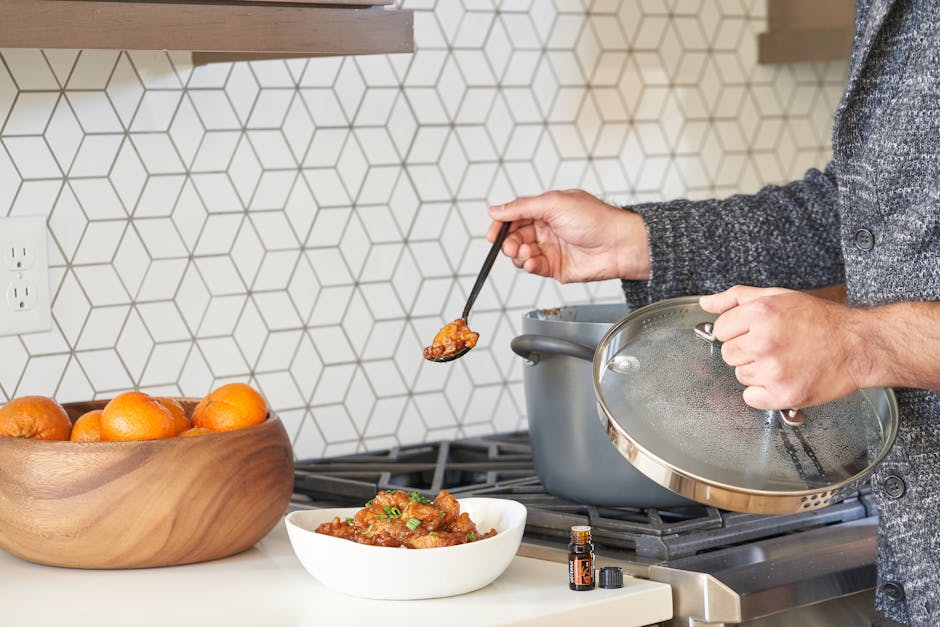
1. **Pre-Cook Prep:** This is crucial for flavor. Before you even think about slow cooking, use the "Sauté" function on "Normal" or "More" to brown your meats. Don't skip this step! Searing adds incredible depth of flavor. Once your meat is browned, remove it, then deglaze the pot with a splash of broth or wine, scraping up any browned bits from the bottom. This prevents a "Burn" error later and creates a fantastic base for your sauce. 2. **Loading Ingredients:** Layer your ingredients. Heartier vegetables like potatoes and carrots go on the bottom, as they cook slower. Then add your meat, followed by lighter vegetables and herbs. 3. **Liquid Levels:** This is where the Instant Pot differs significantly from a traditional slow cooker. The Instant Pot's lid seals much tighter, meaning very little liquid evaporates. You'll often need *less* liquid than a conventional slow cooker recipe calls for. In my experience, start by reducing the liquid by about 1/2 to 1 cup, especially for recipes that aren't soup or stew. You can always add more later. The general rule of thumb is to ensure there's enough liquid to cover about half the food. 4. **Setting the Time and Temperature:** * Press the "Slow Cook" button. * Use the "Adjust" button to toggle between "Less" (Low), "Normal" (Medium), and "More" (High). * Use the "+" and "-" buttons to set your desired cooking time. * The Instant Pot will then begin to heat. 5. **Using the Lid:** For slow cooking, you have two main options: * **The Pressure Cooking Lid:** This is the default. Just make sure the vent is in the "Venting" position (not sealed). That lets some steam escape, which is what you want for slow cooking. Leave it sealed, and you might accidentally pressure cook your food, or build up too much moisture. * **A Glass Lid:** I highly recommend investing in a separate glass lid for your Instant Pot. Check Price on Amazon → For me, this makes a huge difference when slow cooking. You can peek at your food without disrupting the cooking process, just like a traditional slow cooker. Plus, it allows for more natural evaporation, which can be helpful for reducing sauces. The Instant Pot brand makes one, or you can find generic ones that fit. 6. **Natural Pressure Release (NPR) vs. Quick Release (QR):** For slow cooking, this isn't really a concern since you're not building pressure. Just turn off the Instant Pot when done, and carefully remove the lid. If you used the pressure cooking lid, ensure the vent was open the whole time.

Optimizing Your Slow Cook Results

* **Converting Recipes:** When converting traditional slow cooker recipes, remember the liquid reduction. Also, cooking times might be slightly different. As a general guide: * "Low" setting for 8 hours in a traditional slow cooker usually translates to "Less" for 8-10 hours in the Instant Pot. * "High" setting for 4 hours usually translates to "More" for 4-6 hours. * Always check for doneness with a fork. * **Tender Meats:** For incredibly tender meats, ensure you're using cuts that benefit from slow cooking, like chuck roast, pork shoulder, or chicken thighs. Don't be afraid to let it cook for the full duration. * **Perfectly Cooked Vegetables:** Add delicate vegetables like peas or spinach closer to the end of the cooking time to prevent them from becoming mushy. * **"Keep Warm" Function:** The Instant Pot automatically switches to "Keep Warm" after the cooking cycle finishes. This is great for an hour or two, but don't leave food on "Keep Warm" for extended periods (e.g., more than 4 hours) as it can continue to cook and dry out your food, or make it mushy. * **Recipe Ideas:** The Instant Pot is fantastic for slow-cooked chili, beef stew, pulled pork, chicken and dumplings, pot roasts, and even overnight oatmeal. The possibilities are truly endless once you get the hang of it.

Instant Pot Duo Plus Slow Cook vs. The Competition: Is It Worth It?

This is where the rubber meets the road. Can the Instant Pot Duo Plus 9-in-1 electric pressure cooker truly replace your dedicated slow cooker? It's a question I get asked all the time.

Duo Plus Slow Cook vs. Traditional Slow Cookers (Crock-Pot)

Let's be honest, there are pros and cons to using the Instant Pot Duo Plus for slow cooking compared to a classic Crock-Pot. **Pros of Duo Plus:** * **Space-Saving:** This is huge. One appliance doing the job of several is a win for any kitchen, especially smaller ones. * **Sauté Function:** Being able to brown meat and sauté aromatics in the same pot before slow cooking is a massive advantage. It builds flavor and reduces cleanup. * **Precise Temperature Control (to an extent):** The "Less," "Normal," and "More" settings offer a bit more control than some basic slow cookers, and the digital timer is very accurate. * **Programmable:** Set it and forget it, knowing it will switch to "Keep Warm" when done. * **Durability:** The stainless steel inner pot feels much more durable and is way easier to clean than ceramic inserts. **Cons of Duo Plus:** * **Different Heating Patterns:** Traditional slow cookers typically heat from the sides as well as the bottom. The Instant Pot primarily heats from the bottom. Because of this, you might need to stir occasionally for some recipes, and cooking times can vary slightly. Food on the bottom can sometimes cook faster or stick if not enough liquid is used. * **Lid Seal:** As mentioned, the Instant Pot lid seals very tightly. While you vent it for slow cooking, it still retains more moisture than a traditional slow cooker lid. So, you *must* adjust liquid levels, or you'll end up with a watery dish. This is a common complaint I hear. * **Lack of Visibility (without glass lid):** If you don't buy a separate glass lid, you can't peek at your food without releasing a lot of heat and steam, which isn't ideal for slow cooking. This is a genuine downside if you like to monitor your meal's progress. * **Learning Curve:** There's a slight learning curve to adjusting recipes and understanding the nuances of the Instant Pot's slow cook function. **When a Traditional Slow Cooker Might Still Be Preferred:** * **Specific Recipes:** If you have a family heirloom recipe that you've made in your Crock-Pot for decades, and it turns out perfect every time, you might stick with it. Some recipes just thrive in the specific environment of a traditional slow cooker. * **Larger Capacity:** While the Instant Pot Duo Plus comes in 6-quart and 8-quart sizes, some traditional slow cookers offer even larger capacities for big gatherings. * **Aesthetic:** Let's face it, some slow cookers are designed to be beautiful serving dishes. The Instant Pot is more utilitarian. Bottom line: For most people, the Instant Pot Duo Plus 9-in-1 electric pressure cooker can absolutely replace a traditional slow cooker, especially if you get the glass lid. In my opinion, the convenience of sautéing first is a huge win.

Duo Plus Slow Cook vs. Other Instant Pot Models

Instant Pot has a dizzying array of models. How does the Duo Plus's slow cook function compare? * **Duo Nova/Duo Evo Plus:** These are often considered upgrades to the Duo line, sometimes offering more precise temperature control or slightly more intuitive interfaces. Their slow cook functions are generally similar in principle to the Duo Plus, though some may have more granular temperature adjustments. * **Instant Pot Ultra/Pro:** Higher-end models like the Ultra or Pro often boast custom programming, more precise temperature controls (down to the degree), and a dedicated "Sous Vide" function that is more advanced than the basic "Sterilize" setting used for sous vide on the Duo Plus. If slow cooking accuracy is paramount, these might offer a slight edge, but for most home cooks, the Duo Plus is plenty good enough. The evolution of slow cook settings across Instant Pot models has generally aimed for more precision and user control. The Duo Plus offers a solid, reliable slow cook experience that meets the needs of most home cooks without overcomplicating things.

Troubleshooting & Advanced Tips for Instant Pot Duo Plus Slow Cooking

Even with the best appliances, sometimes things don't go exactly as planned. Here are some common slow cook challenges with the Instant Pot Duo Plus and how to tackle them.

Common Slow Cook Challenges & Solutions

* **Food not cooking fast enough:** * **Check liquid:** Make sure you have enough liquid; dry spots can really slow down heat transfer. * **Lid seal:** Always double-check the lid is seated right. If you're using the pressure cooking lid, make sure the vent is in the "Venting" position. If it's sealed, in my experience, it's probably trying to pressure cook instead. * **Heat setting:** Are you on "Less" when you actually wanted "More"? Go ahead and adjust that. * **Ingredient size:** Bigger, denser ingredients just take more time. Cut them smaller if you're in a hurry. * **Food drying out:** * **Add more liquid:** This is usually the problem. The Instant Pot does hold onto moisture well, but if your recipe starts out super dry, it can still struggle to keep things moist. * **Use a glass lid:** Like I said earlier, using a glass lid lets some moisture escape naturally. This really helps prevent food from drying out too much. * **"Burn" error during slow cook:** The "Burn" error is pretty rare for slow cooking, but it can pop up if the bottom of the pot gets too hot without enough liquid, or if you have thick sauces sitting right on the bottom. * **Prevention:** Always deglaze the pot after sautéing. Make sure you have enough liquid. When you're making a thick sauce, try adding a layer of thinner liquid (broth, water) at the bottom first, or just give it a stir once in a while. * **Resolution:** If that "Burn" error does show up, turn off the pot, take out the inner pot, and check for anything stuck to the bottom. Scrape it off, add a bit more liquid, and you can get back to cooking. * **Achieving desired texture:** * **Mushy vegetables:** For delicate veggies, toss them in later in the cooking process. * **Tough meat:** Tough meat just needs more time, period. Don't rush slow cooking, you'll regret it.

Advanced Techniques & Accessories

* **Separate Glass Lid:** Seriously, it's completely worth it. Check Price on Amazon → You get the best of both worlds with this: Instant Pot convenience paired with that classic slow cooker visibility. * **"Delay Start" Function:** The "Delay Start" function is fantastic for slow cooking. You can load all your ingredients in the morning, set a delay, and then your meal will start cooking a few hours later, making sure it's fresh and ready right when you want it. Just be really mindful of food safety here, especially with raw meat. And please, don't delay for too long if your kitchen's on the warmer side. * **Cooking Frozen Ingredients:** While it's technically possible, I generally don't recommend cooking frozen ingredients for slow cooking. For pressure cooking, absolutely, but for slow cooking, frozen meat can actually sit in that "danger zone" (40-140°F / 4-60°C) for too long, letting bacteria multiply. Always thaw your meat first for the best and safest results. * **Recommended Accessories:** * **Extra Inner Pot:** Check Price on Amazon → Having a second inner pot is incredibly useful for meal prepping or when your first one is in the dishwasher. * **Silicone Lid:** Check Price on Amazon → This is great for storing leftovers directly in the inner pot, right in the fridge. * **Steamer Basket:** Check Price on Amazon → It's essential for steaming veggies or even whipping up some hard-boiled eggs.

Is the Instant Pot Duo Plus 9-in-1 Right for You? A Buying Guide

So, after all this, is the Instant Pot Duo Plus 9-in-1 electric pressure cooker the right appliance for your kitchen? In my testing, I found that its overall value is incredibly strong. It truly delivers on its promise of versatility and convenience, especially once you understand how to use all nine of its functions. **Who would benefit most?** * **Busy individuals or families:** If you need to get dinner on the table quickly (pressure cook) or have it ready when you walk in the door (slow cook), this is a lifesaver. * **Meal preppers:** Its capacity and multiple functions make batch cooking a breeze. * **Anyone with limited kitchen space:** Consolidating multiple appliances into one is a huge advantage. * **Home cooks looking to expand their repertoire:** The Instant Pot app with its 800+ recipes and the sheer number of online resources mean you'll never run out of ideas. **Considerations:** * **Size:** The 6-quart is the most popular and, for most people, generally suitable for 3-6. If you're cooking for one or two, a 3-quart might suffice, but the 6-quart offers more flexibility. For large families or entertaining, the 8-quart makes sense. * **Budget:** The Duo Plus is usually competitively priced, sitting in that sweet spot of features and affordability. Keep an eye out for Instant Pot Duo Plus deals, especially around major shopping holidays. * **Frequency of use:** If you only cook once a week, it might be overkill. But if you're in the kitchen regularly, it will quickly become your most-used appliance. The Instant Pot Duo Plus 9-in-1 electric pressure cooker is a powerhouse. It's not perfect – that tight-sealing lid for slow cooking takes some getting used to, and honestly, the app integration can have a learning curve, in my experience. But its ability to pressure cook, slow cook, sauté, steam, and more, all in one tough stainless steel pot, makes it an incredibly valuable addition to almost any kitchen. If you're looking for a single appliance to streamline your cooking and open up a world of culinary possibilities, this one comes with my strong recommendation.

Sources & References

FAQ Questions

Can I use any slow cooker recipe in my Instant Pot Duo Plus 9-in-1?

Yep, most slow cooker recipes work just fine, but you'll need to make one big change: cut the liquid by about 1/2 to 1 cup. The Instant Pot's lid seals much tighter than a traditional slow cooker, so very little moisture evaporates during cooking. If you don't reduce the liquid, your dish might end up too watery. Otherwise, cooking times and ingredient ratios should be similar.

What's the difference between "Less," "Normal," and "More" slow cook settings on the Duo Plus?

These settings correspond to different heat levels: * **Less:** Think of 'Less' as your traditional 'Low' setting, usually around 180-190°F (82-88°C). * **Normal:** It's a 'Medium' setting, often around 190-200°F (88-93°C). * **More:** 'More' acts like a traditional 'High' setting, typically around 200-210°F (93-99°C). "More" cooks faster than "Less," but both are designed for long, slow cooking.

Do I need a special lid for slow cooking in the Instant Pot Duo Plus?

You don't *need* a special lid, but I highly recommend one. You can use the standard Instant Pot pressure cooking lid, but just make sure the steam release handle is set to the "Venting" position to prevent pressure buildup. That said, for a more traditional slow cooking experience and to allow for some natural evaporation (which can help thicken sauces and prevent over-moisture), a separate glass lid that fits your Instant Pot is a great accessory, in my opinion. It also lets you peek at your food without losing too much heat.

Why isn't my food cooking as fast as it does in a traditional slow cooker when using the Instant Pot Duo Plus?

Several factors can contribute to this. First, the Instant Pot primarily heats from the bottom, whereas many traditional slow cookers heat from the sides as well. This can lead to slightly different heat distribution. Second, even on the "More" setting, the Instant Pot's heating elements might operate at a slightly lower or different temperature profile than your specific traditional slow cooker. And finally, make sure your lid is vented and you've selected the appropriate heat setting ("More" for faster cooking). If you're using a lot of liquid, it can also take longer for the contents to come up to temperature.
Emily Rhodes
Emily Rhodes · Kitchen Appliances Editor

Emily has been testing kitchen gadgets since 2016, when she accidentally burned through three blenders trying to make the perfect smoothie. Now she tests everything from air fryers to stand mixers in her home kitchen — much to her family's delight (and occasional dismay). Her motto: "If it doesn't make cooking easier, it's going back."

8+ years testing kitchen tech | Culinary school graduate | Tests 50+ appliances yearly

Sources & References

We reference these sources to ensure accuracy and provide context for our recommendations.

About the Author: Emily Rhodes

8+ years testing home tech | Former contributor to TechRadar | Lives in a 900 sq ft smart apartment

Emily has been covering smart home technology since the first-gen Nest thermostat. She tests every device in her own home before writing a word — and her apartment is basically a smart home lab at this point. When she's not testing the latest robot vacuum, you'll find her tinkering with Home Assistant automations or convincing her husband they "need" another smart speaker.